
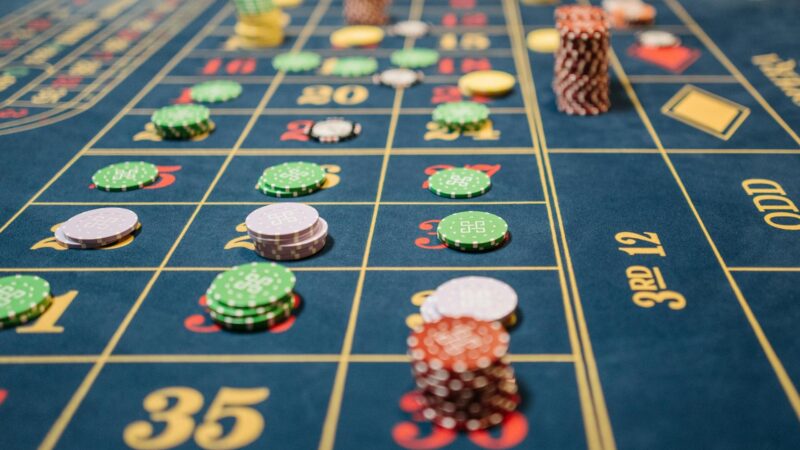
Table games have long held a special place in casino entertainment, offering a mix of skill, interaction, and decision-making that sets them apart from purely chance-based options. Many players are now shifting their attention from automated games to more engaging formats that reward focus and strategy. Platforms highlight how table games continue to attract players who value control and deeper involvement in gameplay. Unlike machine-based games, table options encourage thinking, observation, and timing, creating a more active experience. As casino entertainment continues to evolve, table games remain a preferred choice for those who enjoy a balance of entertainment and skill-driven outcomes.
Greater Player Control
 One of the most important advantages of table games is the level of control they offer. Unlike slot machines, where outcomes are fully random, table games allow players to make decisions that influence gameplay. In blackjack, for example, choices such as hit, stand, or double down directly affect results.
This sense of control makes the experience more engaging and mentally stimulating. Players are not simply waiting for reels to stop spinning; they are actively participating in each round. This involvement creates a stronger sense of responsibility and satisfaction during play.
Improved Odds for Strategic Players
Table games often provide better odds compared to slot machines, especially when players apply basic strategy. Games like blackjack and baccarat have lower house edges when played correctly, giving informed players a stronger chance of favorable outcomes. While slots are entirely based on random number generators, table games reward knowledge and decision-making. Understanding game rules and applying logical strategies can significantly influence results over time. This makes table games more appealing to those who prefer a calculated approach rather than pure chance.
Social Interaction and Engagement
Another major benefit of table games is the social aspect. Unlike slot machines, which are usually played alone, table games involve interaction with dealers and other players. This creates a more lively and engaging environment. Poker tables, for instance, encourage reading opponents and understanding behavior patterns. Even games like roulette allow for shared excitement as players watch outcomes together. This social experience adds depth to gameplay and makes casino visits more enjoyable for many participants.
Skill Development and Mental Exercise

Table games also help develop important skills such as critical thinking, probability assessment, and emotional control. Players must analyze situations quickly and make decisions under pressure, especially in fast-paced games. Over time, regular participation can improve memory, focus, and strategic thinking. Unlike slot machines, which require minimal interaction, table games keep the mind active. This mental engagement is one reason many experienced players prefer table-based entertainment over automated options.
More Consistent Gameplay Experience
Table games tend to offer a more consistent and structured experience compared to slot machines. Each game follows clear rules and predictable formats, allowing players to learn and improve gradually. In contrast, slot machines vary widely in design and mechanics, often relying on visual effects and random outcomes. Table games provide a steady rhythm that rewards patience and understanding. This consistency helps players build confidence and develop long-term strategies rather than relying on short-term luck.
Table games provide clear advantages over slot machines, including greater control, improved odds for skilled players, social interaction, skill development, and a more consistent gaming structure. These factors make them appealing to players who prefer thoughtful engagement over passive play. While both forms of casino entertainment have their place, table games stand out for offering a more interactive and strategic experience that rewards knowledge and participation over time.…